
Lamb Chop Recipes That Deliver Real Flavor
Table of Contents
My mother-in-law asked me to make lamb for Easter dinner two years ago, and I completely panicked. I’d eaten lamb plenty of times, but cooking it myself was another story. My first batch of lamb chops came out gray and chewy — overcooked by at least four minutes because I didn’t trust the thermometer. I pulled them at 165°F thinking that was the safe number, not realizing lamb is best served medium, around 135°F internally. The texture was like a sad shoe.
That failure sent me down a serious rabbit hole of testing lamb chop recipes until I got them right. Since then, I’ve made them grilled, pan-seared, broiled, marinated in yogurt, crusted with herbs, cooked slow and fast you name it. What I’ve learned is that lamb chops are genuinely forgiving once you understand a few key principles, and they cook faster than almost any other protein I use on a weeknight.
This is the article I wish I had two years ago.
Why These Lamb Chop Recipes Actually Work
The reason most people overcook lamb chops is simple: they’re thin, they’re expensive, and fear kicks in. You want them safe so you push past the point where they’re good.
What changed my cooking was understanding that lamb fat renders beautifully at medium heat — you don’t need scorching-high temperatures to get a crust. A well-seasoned cast iron pan or a hot grill grate does the work. The other thing that helped was resting. Even a three-minute rest after cooking makes a dramatic difference in how juicy the meat stays when you cut in.
Every lamb chop recipe below is built around two things: a crust with real texture and an interior that’s still pink and tender. Once you have those two things, the variations are almost endless.
Ingredients
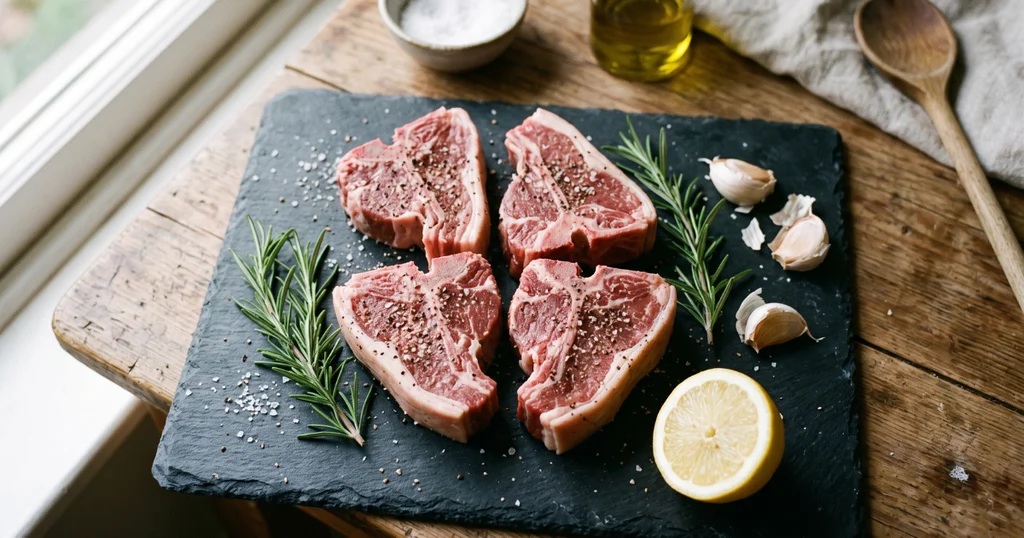
Here’s what you’ll need for the core recipe — the classic pan-seared lamb chops that serves as the foundation for everything else in this article. Variations follow in their own section.
| Ingredient | Amount | Why It’s There / Substitute |
|---|---|---|
| Lamb loin chops or rib chops | 4–6 chops (about 1 inch thick) | Loin = meatier; rib = more elegant and quicker to cook |
| Kosher salt | 1½ tsp | Seasons deeply when applied 30+ min ahead; don’t use table salt |
| Black pepper | 1 tsp freshly ground | Fresh-ground matters — pre-ground tastes flat on lamb |
| Garlic cloves | 4, smashed | Infuses the oil during basting; garlic powder works in a pinch |
| Fresh rosemary | 2 sprigs | Classic lamb pairing; thyme or oregano also work |
| Olive oil | 2 tbsp | For searing; use neutral oil if you want a higher smoke point |
| Unsalted butter | 2 tbsp | Basting creates a golden, rich crust |
| Lemon | 1, zested and halved | Cuts the fat, adds brightness; zest goes in, juice goes on after |
| Dijon mustard | 1 tbsp (optional) | Brushing before serving adds a tangy, slightly sharp layer |
| Red pepper flakes | ¼ tsp (optional) | Gentle heat without overwhelming the meat |
Step-by-Step Instructions
Prep the Lamb Chops
1. Salt early and rest at room temperature.
Pull your lamb chops out of the fridge at least 30 minutes before cooking — ideally an hour. Season generously with kosher salt on both sides and the edges. Cold meat going into a hot pan drops the pan temperature dramatically and causes uneven cooking. I learned this the hard way when one chop was medium-rare and the one next to it was still cool in the center.
2. Pat dry.
Use paper towels to blot the surface. Any surface moisture steams the meat rather than searing it. This step takes ten seconds and makes a visible difference in the crust you get.
3. Add fresh pepper just before cooking.
Pepper can burn at high heat if it’s been sitting. Add your fresh-ground pepper right before the pan goes on the heat.
Sear the Chops
4. Heat your pan properly.
Place a cast iron or stainless skillet over medium-high heat for 2–3 minutes before adding oil. The pan should feel intensely hot when you hold your hand 3 inches above it. Add olive oil and let it shimmer — not smoke.
5. Add the lamb chops without crowding.
Lay them in away from you to avoid splatter. You should hear an immediate, aggressive sizzle. If you don’t, the pan isn’t hot enough. Cook 2–3 minutes without touching them. Do not move them around — you’re building a crust.
6. Flip once.
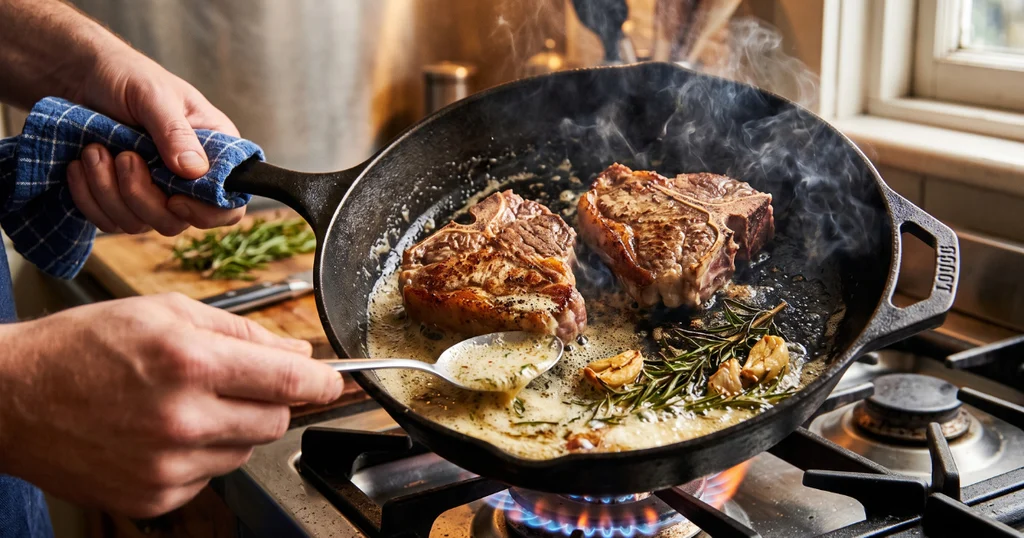
Turn each chop and immediately add the butter, smashed garlic, and rosemary sprigs to the pan. As the butter melts and foams, tilt the pan and spoon the butter over the chops continuously for about 90 seconds. This basting step is what separates a restaurant-quality crust from a home-kitchen one.
7. Check internal temperature.
For medium-rare lamb (my preference and the standard for most lamb chop recipes), pull at 130–135°F. For medium, pull at 140°F. The temperature will rise 3–5 degrees while resting. I use an instant-read thermometer inserted into the thickest part, away from the bone.
Rest and Finish
8. Rest the chops.
Transfer to a plate or cutting board and tent loosely with foil. Rest for at least 3 minutes — I usually do 5. The juices redistribute and the meat finishes cooking from residual heat. Skip this and you’ll watch pink juice pour onto your plate the second you cut in.
9. Finish with lemon and optional Dijon.
Squeeze half the lemon over the rested chops. If using mustard, brush a thin layer on now. Plate with the garlic and rosemary from the pan — they’re edible and look beautiful.
Total cook time: approximately 8–10 minutes active, plus 30 min rest before cooking.
Pro Tips and Common Mistakes
Don’t overcook it trying to be safe.
According to USDA food safety guidelines for lamb, the safe minimum internal temperature for lamb chops is 145°F with a 3-minute rest. Most lamb chop recipes recommend medium or medium-rare, which is below that — know that’s a personal preference choice. I cook to 135°F because I prefer the texture and flavor.
Season ahead or not at all.
Salting 30–60 minutes ahead pulls moisture out and then reabsorbs it into the meat. Salting right before is fine too. The worst thing is salting 5–15 minutes before — moisture sits on the surface and actively steams the meat. I discovered this by accident once and the crust was almost non-existent.
The pan has to be fully preheated.
If your chop doesn’t sizzle immediately, take it back out and wait. A lukewarm pan means you’ve started the clock before the crust forms.
Don’t skip the basting.
I skipped it once to save cleanup. The chops were fine but noticeably less flavorful. The butter-rosemary baste is not optional in my kitchen anymore.
Rib chops cook faster than loin chops.
Rib chops are thinner and smaller. A thick rib chop might need 2 minutes per side while a loin chop needs closer to 3–4. Know what you’re working with before you set a timer.
Variations and Substitutions
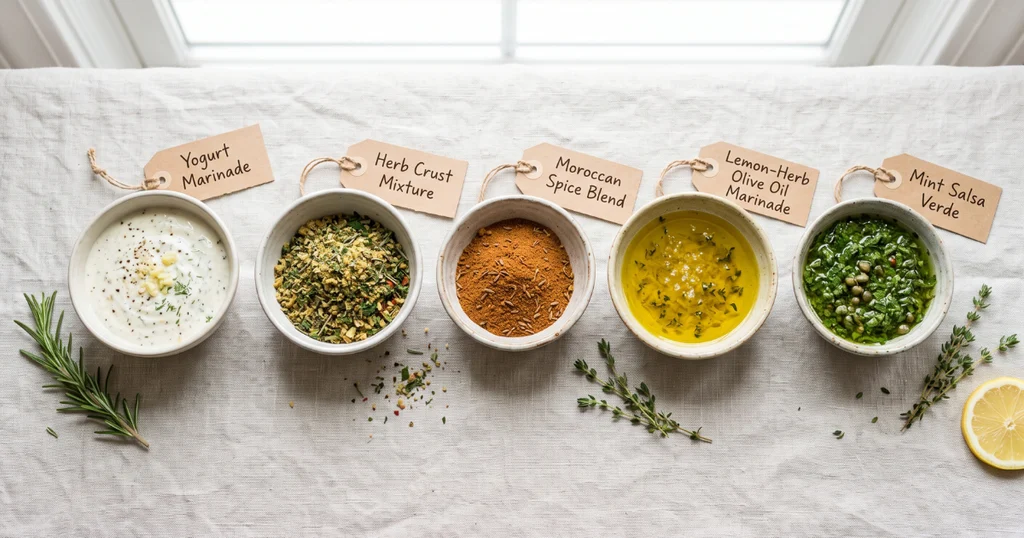
One of the reasons I keep coming back to lamb chop recipes is how many directions you can take them. Here are the variations I’ve tested and actually use.
Herb-Crusted Lamb Chops
Mix 2 tbsp each of finely chopped fresh parsley, rosemary, and thyme with 2 tbsp breadcrumbs, a pinch of salt, and 1 tbsp olive oil. Press onto one side of the chops before searing. Start herb-side down in a medium pan so the crust sets without burning, about 3 minutes, then flip and finish. Great for dinner parties — looks impressive, takes 12 minutes.
Garlic Yogurt Marinated Lamb Chops
Combine 1 cup plain full-fat yogurt, 4 minced garlic cloves, 1 tsp cumin, 1 tsp paprika, juice of half a lemon, and salt. Coat the chops and marinate for 4–24 hours in the fridge. The lactic acid in the yogurt tenderizes the meat noticeably — even on tougher shoulder chops. Grill or broil at high heat to char the yogurt coating slightly. This is my favorite for lamb shoulder chops specifically.
Grilled Lemon-Herb Lamb Chops
Marinate in olive oil, lemon zest, garlic, and dried oregano for 1–2 hours. Grill over direct high heat, 2–3 minutes per side. The grill marks and slight char add a smoky bitterness that balances lamb’s richness perfectly. Best lamb chops I’ve ever made were on a charcoal grill with this marinade.
Moroccan-Spiced Lamb Chops
Rub with a blend of cumin, coriander, cinnamon, turmeric, smoked paprika, and a small amount of cayenne. Let sit 30 minutes minimum. Pan-sear and serve with a simple harissa yogurt dip. The warm spice profile works beautifully with lamb’s natural sweetness.
Broiled Lamb Chops with Mint Salsa Verde
Broil chops on the highest rack setting, 3–4 minutes per side. Meanwhile, blitz fresh mint, parsley, capers, a small anchovy fillet, garlic, olive oil, and red wine vinegar in a food processor until roughly chopped. Spoon generously over rested chops. This version comes together in under 15 minutes total.
Slow-Cooked Braised Lamb Chops
For shoulder chops (which are tougher and cheaper), braise in a mix of red wine, chicken stock, diced tomatoes, garlic, and herbs at 325°F for 1.5–2 hours. The meat falls off the bone and the braising liquid becomes a rich sauce. Completely different eating experience from pan-seared, and completely worth it for a Sunday dinner.
Storage, Reheating, and Make-Ahead Instructions
Refrigerating: Store cooked lamb chops in an airtight container for up to 3 days. Let them cool to room temperature before sealing — trapping steam creates soggy surfaces.
Freezing: Wrap individual cooked chops tightly in plastic wrap, then place in a freezer bag. Keeps well for up to 2 months. Raw marinated chops can also be frozen in their marinade — the meat absorbs more flavor as they thaw.
Reheating: The best method I’ve found is a covered skillet with 1–2 tablespoons of water or broth over low heat for 3–4 minutes per side. The steam keeps them from drying out. Microwave works but tends to turn the meat rubbery — use 50% power and short intervals if you have to.
Make-ahead: You can marinate raw lamb chops up to 24 hours in advance (48 hours maximum for yogurt-based marinades before the texture gets mushy). The herb crust can be mixed and stored covered in the fridge for up to 2 days before pressing onto chops.
Serving Suggestions
Lamb chops are rich, so I usually pair them with something that cuts through the fat or adds freshness.
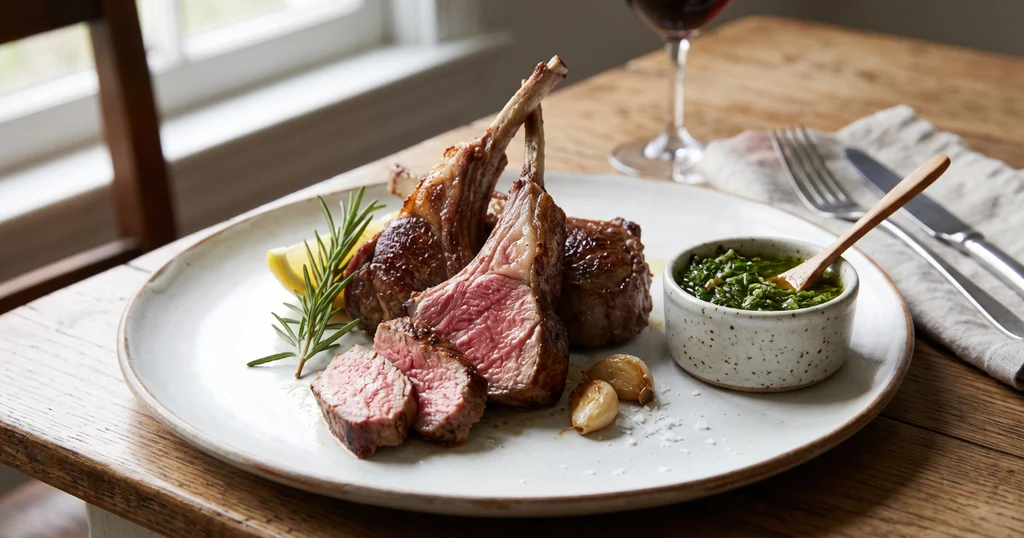
Sides that work well: Roasted garlic mashed potatoes, warm flatbread, Greek-style roasted vegetables, sautéed spinach with lemon, or a simple cucumber-tomato salad. For a more substantial plate, a grain like couscous or farro absorbs the pan juices beautifully.
Sauces: Mint jelly is the classic, but I prefer a mint salsa verde or a simple tzatziki. For the Moroccan version, harissa thinned with a little olive oil is perfect.
Wine pairing: A medium-bodied red — Syrah, Grenache, or a Côtes du Rhône — works well. Nothing too tannic or it fights with the lamb’s richness.
If you’re building a full dinner, these lamb chop recipes pair well alongside a rich dessert to finish. You might enjoy our chocolate cake recipe or check out our range of easy dessert recipes for something that doesn’t require extra effort after a hands-on main.
FAQ
Can I use frozen lamb chops?
Yes, but thaw them fully in the refrigerator overnight before cooking — never on the counter. Partially frozen chops cook unevenly and the surface can overcook before the center is done. Pat very dry after thawing, as frozen meat releases extra water.
How long do lamb chops take to cook on the stove?
For 1-inch thick lamb chops at medium-high heat, plan on 3 minutes per side plus 90 seconds of basting. Total active cook time is around 8–10 minutes. Add 30 minutes of resting before you cook and 3–5 minutes resting after, and you’re looking at about 45 minutes start to plate.
What’s the difference between lamb loin chops and rib chops?
Rib chops come from the rack of lamb — they have a long bone and a smaller eye of meat, and they’re more tender and delicate. Loin chops look more like a T-bone steak, with a larger chunk of meat on both sides of the bone. Loin chops are meatier and slightly more affordable; rib chops feel fancier and cook a little faster. Both work in any of the lamb chop recipes above.
Can I make lamb chops in an air fryer?
Yes. Preheat to 400°F, season your chops, and air fry for 7–9 minutes (flip at the halfway point) for medium-rare. The air fryer produces a decent crust and is faster than the oven, though you lose the basting step that makes pan-searing special. Good option for a quick weeknight approach.
Why does my lamb smell gamey and how do I reduce it?
Gamey flavor in lamb comes from the fat. Trimming visible fat before cooking helps significantly. A yogurt or lemon-based marinade also neutralizes some of that flavor through mild acid. Younger lamb (spring lamb) is milder than older animals. For most people, properly seasoned lamb cooked correctly doesn’t taste gamey at all — it tastes like a richer version of beef.
Can I grill lamb chops from frozen?
I wouldn’t recommend it. The outside chars before the inside thaws, and you end up with something burnt on the surface and raw in the middle. Always thaw completely first. According to food safety guidance from Serious Eats on cooking from frozen, starting from frozen can work for thick steaks but isn’t suitable for thinner cuts like chops.
Conclusion
Lamb chops went from something I was afraid to cook to one of my most-reached-for weeknight proteins once I understood the basics. They’re fast, they’re dramatic on the plate, and the flavor genuinely rewards even minimal effort. Whether you go with the simple pan-sear or try the Moroccan spice rub, the core principles stay the same: dry surface, hot pan, rest the meat.
If you’re exploring more meat recipes for weeknight dinners, lamb is one of the most underused cuts out there — and once you try it, it’s hard to go back.
Written by Oussama Ij, home cook and food writer.