
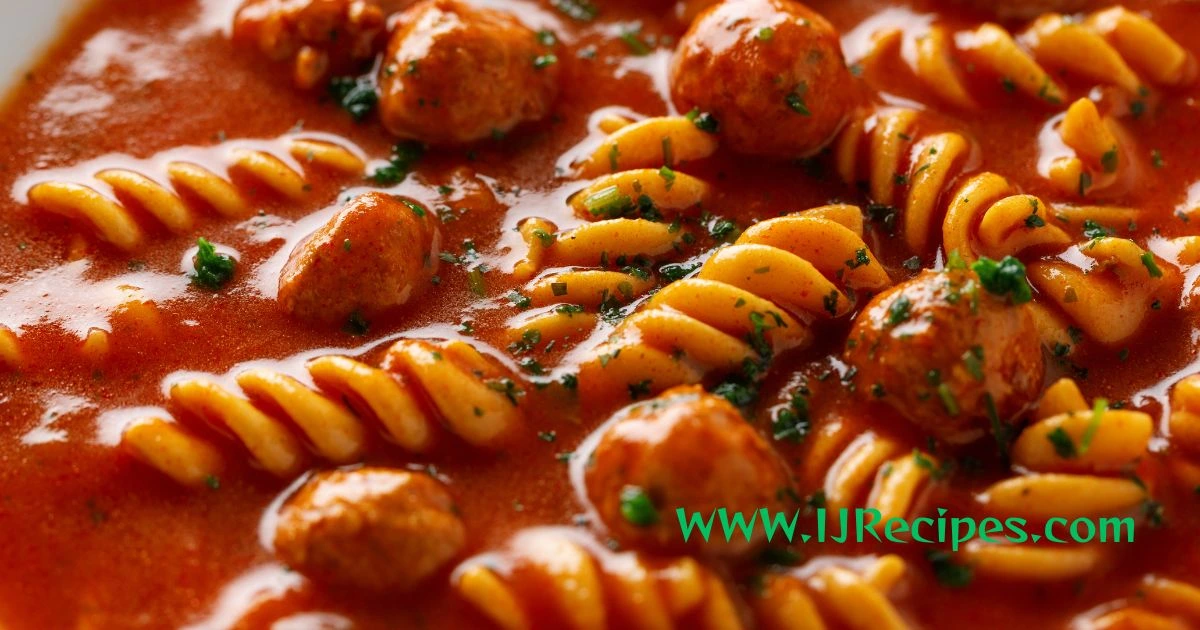
The Best Homemade Cajun Pasta Sauce Recipe
Table of Contents
There’s a specific kind of hunger that no store-bought jar can fix. You know the one — where you’re standing in your kitchen, tired from a long day, and what you actually want is something that tastes like somebody cared when they made it. Smoky, spicy, rich with depth, and just the right amount of indulgent. That’s exactly what this cajun pasta sauce delivers, every single time.
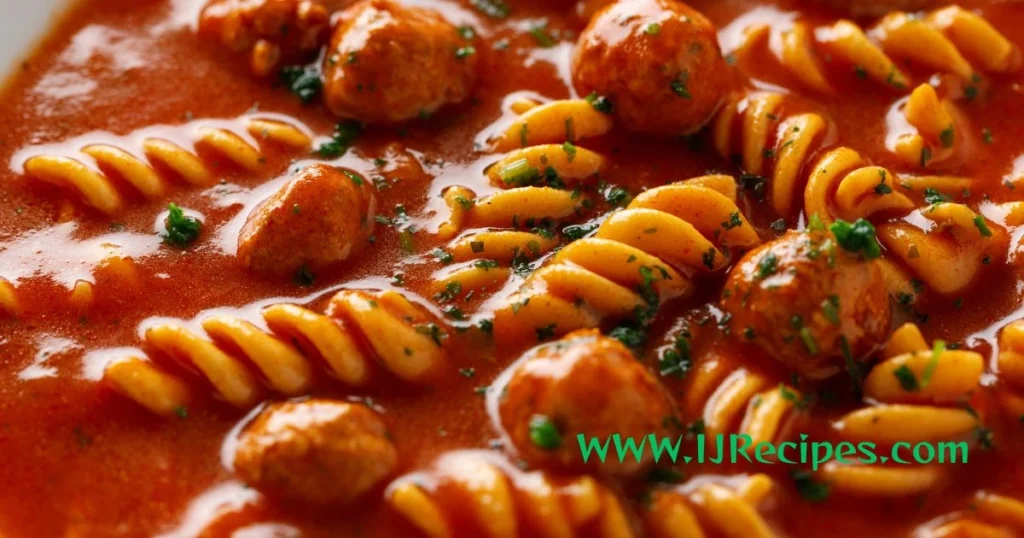
Once you make this from scratch, going back to anything premade will feel like a genuine step backward. This isn’t an exaggeration — it’s just what happens when real ingredients, real technique, and real flavor collide in one pan.
What Exactly Is Cajun Pasta Sauce?
Cajun cooking has deep roots in Louisiana, born from a collision of French Acadian, African, and Native American culinary traditions. The result is a boldly flavored style of cooking — rich with smoky spices, rooted in a slow-cooked vegetable base, and layered with tastes that linger well beyond the first bite.
When those same principles get applied to a pasta sauce, something remarkable happens. The tomato base absorbs the heat of cayenne and the earthiness of paprika. The cream softens the edges without dulling the punch. And the “holy trinity” — onion, celery, and bell pepper — gives the whole thing a savory backbone that no amount of store-bought seasoning can replicate.
This isn’t just pasta sauce with a little chili powder thrown in. It’s a proper Cajun-style sauce that happens to be perfect on pasta.
Ingredients You’ll Need
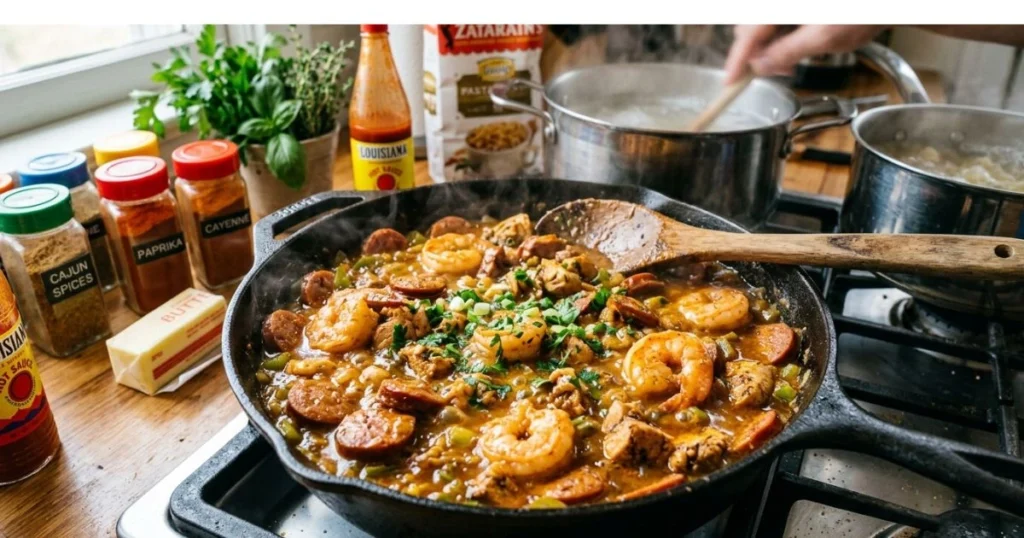
Before you do anything else, gather everything in advance. This sauce moves fast once it gets going, and you don’t want to be searching for your paprika while your garlic burns.
Full Ingredient Table
| Category | Ingredient | Quantity | Notes |
|---|---|---|---|
| Base Vegetables | Yellow onion | 1 medium | Finely diced |
| Celery | 2 stalks | Finely diced | |
| Green bell pepper | 1 medium | Finely diced | |
| Garlic cloves | 4 cloves | Minced | |
| Protein | Andouille sausage | 200g | Sliced into coins |
| Sauce Components | Crushed tomatoes | 1 can (400g) | San Marzano if possible |
| Heavy cream | ½ cup | Adds creaminess | |
| Chicken broth | ½ cup | Deepens the base | |
| Butter | 2 tbsp | Unsalted | |
| Olive oil | 2 tbsp | For sautéing | |
| Cajun Spice Blend | Smoked paprika | 2 tsp | Non-negotiable |
| Cayenne pepper | ½–1 tsp | Scale to your heat preference | |
| Dried oregano | 1 tsp | ||
| Dried thyme | 1 tsp | ||
| Garlic powder | 1 tsp | ||
| Onion powder | 1 tsp | ||
| Black pepper | ½ tsp | ||
| Salt | 1 tsp | To taste | |
| Finishing | Parmesan cheese | ¼ cup | Freshly grated |
| Fresh parsley | A handful | Chopped | |
| Lemon juice | 1 tbsp | Brightens everything |
How to Make Cajun Pasta Sauce From Scratch
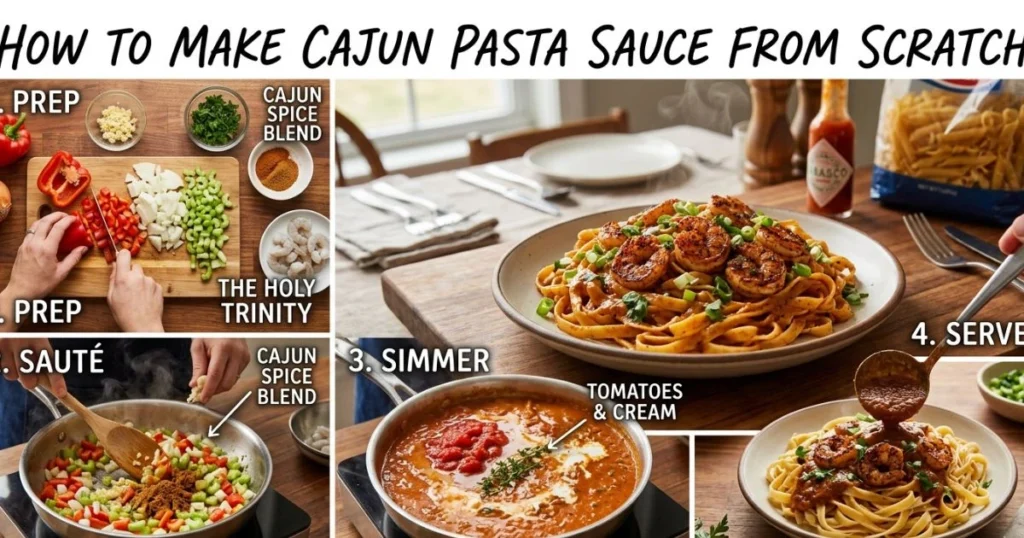
Step 1: Build Your Spice Blend First
Mix your smoked paprika, cayenne, oregano, thyme, garlic powder, onion powder, black pepper, and salt together in a small bowl before you turn on the stove. This small step makes a real difference — when your spices are pre-measured and ready, you can add them at exactly the right moment without scrambling. If you have leftover blend, store it in a small jar. It keeps for months and works on chicken, shrimp, and roasted vegetables too.
Step 2: Sauté the Holy Trinity
Warm the olive oil and butter together in a large, heavy-based pan over medium heat. Once the butter melts and the foam settles, add your diced onion, celery, and bell pepper. Cook them low and slow for about 7 to 8 minutes, stirring occasionally, until they’re soft and slightly golden at the edges. Add your minced garlic and stir for another minute — just long enough to take the raw edge off without letting it brown.
This step is where the flavor foundation gets laid. Don’t rush it. Soft, caramelized vegetables create a natural sweetness that balances the heat of the spices later on.
Step 3: Brown Your Protein
Push your vegetables to the side of the pan and add your andouille sausage slices. Let them sear for 2 to 3 minutes per side without moving them — you want a deep golden crust. That browning adds a smoky, savory depth that carries through the entire sauce. If you’re using chicken instead, season your pieces with a portion of your spice blend before adding them to the pan. For shrimp, cook them separately and add them back in during the final 2 minutes only.
Step 4: Bloom the Spices and Build the Sauce
Sprinkle your entire Cajun spice blend over the vegetables and sausage. Stir and cook for about 60 seconds — you’ll notice the mixture darkens slightly and the aroma shifts from raw spice to something toasty and deep. This is called blooming, and it unlocks the full flavor potential of dried spices in a way that adding them to liquid never quite does.
Pour in your crushed tomatoes and chicken broth. Stir well, scraping any browned bits from the bottom of the pan into the sauce. Those bits are pure flavor. Bring the mixture to a gentle simmer and let it cook uncovered for 12 to 15 minutes, stirring occasionally.
Step 5: Add the Cream and Finish
Reduce the heat to low and stir in your heavy cream. From this point forward, do not let the sauce boil — a hard boil can cause cream to separate and the texture to turn grainy. A gentle simmer for another 5 minutes is all you need. Finish by stirring in your freshly grated parmesan, a squeeze of lemon juice, and your chopped parsley. Sample and tweak the salt and cayenne to suit your taste.
Step 6: Toss With Pasta
Cook your pasta in generously salted water until it’s just shy of al dente — it’ll finish cooking in the sauce. Before you drain it, scoop out about a cup of pasta water and set it aside. Add your drained pasta directly into the sauce pan over low heat and toss everything together. If the sauce feels too thick, add pasta water a splash at a time until the consistency coats the pasta without clumping. Serve immediately.
Tips for Getting It Right Every Time
Don’t skip the bloom. Adding dry spices directly to liquid dilutes their impact significantly. That 60-second bloom in the oil makes the sauce taste like it’s been simmering for hours.
Use pasta water generously. The starchy water acts as a natural emulsifier, helping the sauce cling to every piece of pasta instead of pooling at the bottom of the bowl.
Taste at every stage. Cajun seasoning varies in salt content, especially if you’re using a pre-made blend. Add salt at the end, not the beginning, so you can control the final flavor precisely.
Let the sauce rest. If you have 5 extra minutes before serving, turn off the heat and let the sauce sit. The flavors continue to develop and mellow slightly, giving you a more cohesive result.
Variations Worth Trying
Your cajun pasta sauce isn’t locked into one version. Here’s how you can adapt it without losing the soul of the dish:
- Cajun Shrimp Pasta Sauce — Season shrimp with your spice blend, sear quickly, set aside, and return them in the last 2 minutes of cooking. Finish with extra lemon juice.
- Creamy Cajun Chicken Pasta Sauce — Use pan-seared chicken thighs for more richness. Add a splash of white wine after browning the chicken and before the tomatoes.
- Vegan Cajun Pasta Sauce — Replace heavy cream with full-fat coconut milk, use vegetable broth, and swap parmesan for nutritional yeast. Add smoked tofu or mushrooms for substance.
- Tomato-Only Version — Skip the cream entirely and add a roasted red pepper for sweetness. The result is lighter, brighter, and works especially well with rigatoni.
Storing and Reheating
Store your cajun pasta sauce separately from the pasta whenever possible. Stored in an airtight container in the refrigerator, it will stay fresh for up to five days. If you’re freezing it, portion it into freezer bags, lay them flat, and freeze for up to 3 months. When reheating, do it slowly on the stovetop over medium-low heat with a splash of broth or water to bring it back to the right consistency.
Frequently Asked Questions About Cajun Pasta Sauce
What makes cajun pasta sauce different from regular tomato pasta sauce? The Cajun spice blend, the holy trinity vegetable base, and the creamy finish create a layered complexity that a standard tomato sauce simply doesn’t have. It’s smokier, spicier, and far more aromatic.
Can you make cajun pasta sauce ahead of time? Yes — and you should. The sauce tastes noticeably better the next day once the flavors have had time to settle and deepen. You can prepare it up to two days in advance and warm it gently before serving.
How do you control the spice level? Start with ¼ teaspoon of cayenne for mild heat, ½ teaspoon for medium, and work up from there. A small pinch of sugar can dial back intensity if you overshoot.
What pasta shapes work best? Fettuccine, penne, and rigatoni are the strongest choices. Their texture holds up to a bold, creamy sauce without getting lost in it.
Conclusion
Your weeknight dinners don’t have to be an afterthought. This cajun pasta sauce proves that with the right technique and a handful of pantry staples, you can put something genuinely impressive on the table in under 45 minutes — something that tastes like it took far longer and came from somewhere far more skilled.
Make it once and you’ll understand why this recipe earns a permanent spot in the rotation. Make it your own by adjusting the heat, swapping the protein, or experimenting with the variations above.
Now it’s your turn — head to the kitchen, trust the process, and taste the difference homemade makes. If you try this recipe, drop a comment below with how it turned out. And if you put your own twist on it, we want to hear about that too.