
Easy Venezuelan Recipes at Home: 12 Traditional Dishes to Try
Table of Contents
My neighbor Marisol knocked on my door two Novembers ago holding a foil-wrapped bundle and said, “You have to try this before you judge Venezuelan food by the one arepa cart downtown.” It was a hallaca, her grandmother’s recipe, and I ate the whole thing standing in my kitchen before I’d even taken my coat off.
That one bundle sent me down a rabbit hole. I spent the next few months learning easy Venezuelan recipes at home from Marisol’s notes, a stack of YouTube videos in rapid Spanish, and more than a few ruined batches of arepas that came out raw in the middle and burnt on the outside. By the time I got the ratios right, I understood why this cuisine doesn’t get talked about as much as its neighbors — it rewards patience in a way that’s easy to rush past.
This roundup is the twelve dishes I kept coming back to, the ones that turned out reliably even on a weeknight, using ingredients I could actually find at a regular grocery store or a nearby Latin market.
Why This Easy Venezuelan Recipes at Home Collection Works
Nearly every dish on this list leans on the same handful of pantry staples: pre-cooked white corn flour, queso blanco or a good substitute, plantains, and black beans. Stock those once and you can rotate through most of this menu without another special trip.
Venezuelan cooking also splits cleanly into make-once, eat-twice territory. Asado negro and pabellón’s shredded beef both taste better the next day, which means a Sunday cooking session covers you through Wednesday.
The corn flour is the real backbone here. Master arepas, and cachapas and empanadas suddenly feel like variations on a theme instead of twelve separate skills to learn.
What You’ll Need to Stock a Venezuelan Pantry
A short list of ingredients shows up again and again in the recipes below. Buy these once and most of this collection is within reach.
- Harina PAN (pre-cooked white corn flour) – the foundation of arepas, cachapas, and hallaca dough. Regular cornmeal will not work here; it’s not the same product, so look for it specifically at a Latin grocery store or online.
- Queso blanco or queso llanero – a firm, salty white cheese. Low-moisture mozzarella or a mild feta both work as stand-ins when you can’t find the real thing.
- Ripe plantains – sweet, black-speckled ones for frying as a side; greener ones for savory uses. Bananas are not an acceptable swap; the starch content is too different.
- Black beans (caraotas negras) – canned works fine for weeknights; dried beans give a creamier pot if you have the time to soak them.
- Papelón or piloncillo – unrefined cane sugar used in golfeados and some drinks. Dark brown sugar is the closest easy substitute, though the flavor is slightly less molasses-forward.
- Aji dulce peppers – small, sweet, non-spicy peppers that flavor sofrito bases. A mix of red bell pepper and a pinch of habanero (seeds removed) gets you close.
- Ground cumin and dried oregano – the backbone seasoning in nearly every savory marinade on this list.
- Worcestershire sauce – an unexpected but common addition in asado negro and carne mechada that deepens the color and adds savory depth.
The 12 Traditional Venezuelan Dishes to Cook at Home
Here’s the full lineup, roughly in the order I’d tackle it if starting from scratch.
1. Arepas Asadas
The daily bread of Venezuela: a simple dough of harina PAN, water, and salt, shaped into discs and cooked on a hot griddle until a deep golden crust forms, then finished in the oven for 15 minutes so the inside cooks through without burning the outside.
My first batch stayed gummy in the center because I skipped the oven step entirely. Griddle time alone browns the crust long before the middle sets — don’t shortcut it.
2. Reina Pepiada
Split arepas are the vessel; this creamy chicken and avocado salad is the most popular filling in the country. Shredded chicken, mashed avocado, mayonnaise, cilantro, and lime, stuffed in while the arepa is still warm. If poaching and shredding chicken isn’t a habit yet, this shredding method makes tender, easy-to-pull meat every time.
3. Pabellón Criollo
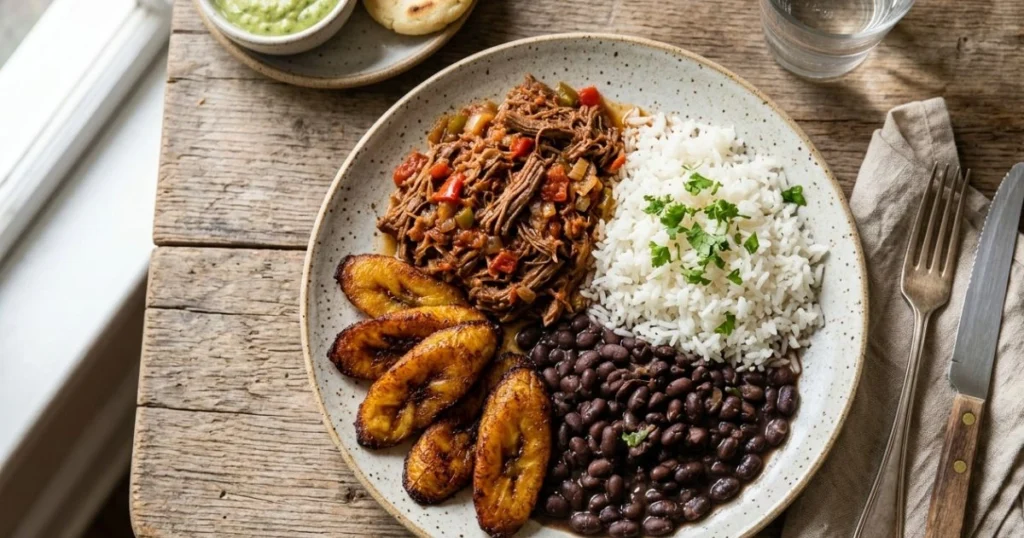
Venezuela’s national plate: shredded beef simmered in a tomato-onion sofrito, served alongside white rice, black beans, and sweet fried plantains. Traditionalists add a fried egg on top and call it “a caballo.”
The beef needs low, slow braising — about 2 hours — until it shreds with just a fork. Rushing this step leaves you with tough strands instead of the soft, saucy shreds you want. For more slow-braised, fork-tender ideas beyond this one, ijrecipes.com’s meat recipes collection is worth a browse.
4. Cachapas
Sweet corn pancakes made from fresh or frozen corn kernels blended with a little sugar and cornmeal, cooked on a griddle until the edges lace and crisp, then folded around a slab of queso de mano or mozzarella while still hot enough to melt it.
Use a nonstick or well-seasoned cast-iron pan. The batter is looser than regular pancake batter and sticks fast to anything less than that.
5. Tequeños
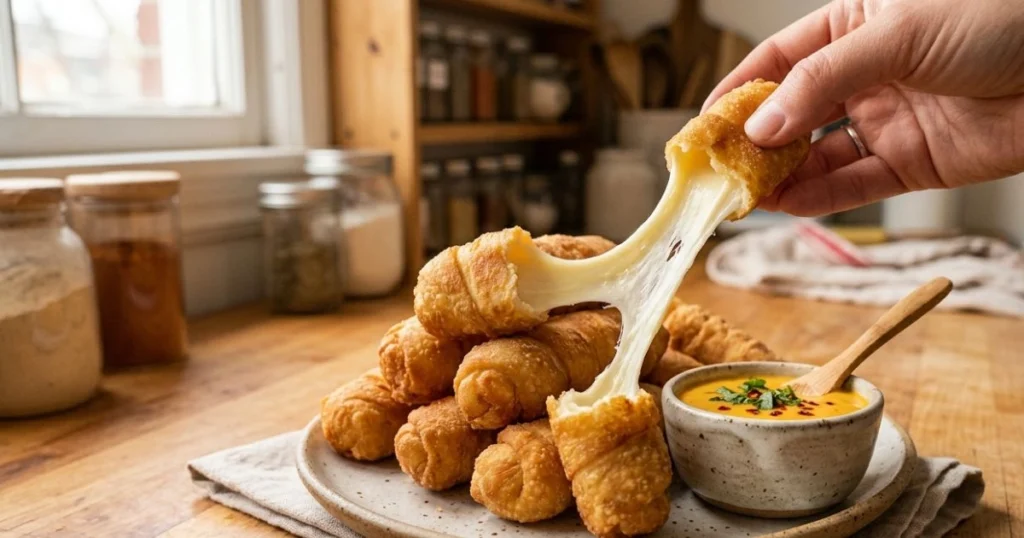
Strips of dough wrapped tightly around sticks of queso blanco and deep-fried until golden and blistered — Venezuela’s answer to mozzarella sticks, and the dish every party in the country seems to serve.
Seal the dough edges firmly with a dab of water before frying. I skipped this once and watched half my cheese ooze out into the oil instead of staying sealed inside.
6. Hallacas
A holiday staple: corn dough colored with achiote, filled with a stew of beef, pork, and chicken along with olives, raisins, and capers, wrapped in banana leaves and boiled for about an hour. This is Marisol’s dish, and it’s the one that started this whole list.
It’s a genuine weekend project with several components, but everything freezes beautifully, which makes it worth doing in a big batch.
7. Empanadas de Carne Mechada
Corn-flour empanadas stuffed with shredded, well-seasoned beef and deep-fried until the shell blisters and crisps. The corn dough handles differently than wheat dough — it tears less but also seals less cleanly, so press the edges firmly and don’t overfill.
8. Asado Negro
A whole eye-of-round roast braised low and slow in a dark, sweet-savory sauce built on caramelized sugar, Worcestershire sauce, and red wine. The name means “black roast,” and the color really does turn that deep.
Check the roast with a meat thermometer rather than guessing by time; USDA guidance puts safe beef doneness at a minimum internal temperature of 145°F with a 3-minute rest, though this cut is typically braised well past that point until fork-tender.
9. Pastelitos
Flaky, half-moon pastries filled with seasoned ground beef, shredded chicken, or guava and cheese for a sweeter version, then baked or fried until the layers puff and separate. If you gravitate toward flaky, layered pastry work, ijrecipes.com’s pie recipes section has more crust technique worth exploring.
10. Quesillo
Venezuela’s version of flan, but denser and eggier, made from condensed milk, evaporated milk, eggs, and a layer of caramelized sugar that turns into sauce once the custard is unmolded. It bakes in a water bath for about 50 minutes and needs a full night in the fridge before unmolding.
If you like this style of silky, custard-based dessert, ijrecipes.com’s cream recipes collection has several in the same spirit.
11. Golfeados
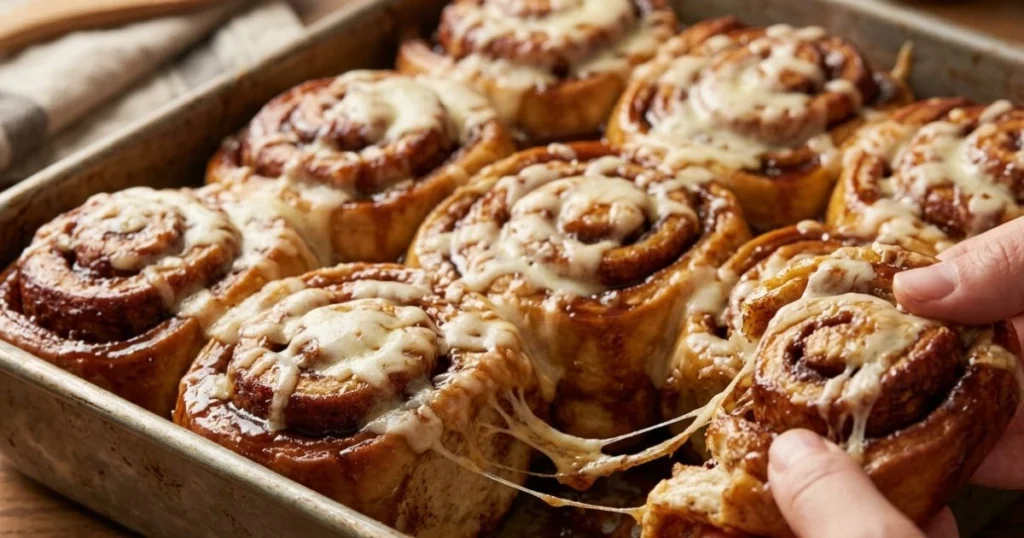
Sweet, sticky cinnamon rolls made from a soft yeasted dough, rolled with papelón syrup and anise, then baked side by side so the edges fuse, and finished with a blanket of melted queso de mano over the top while still warm.
The cheese topping is not optional if you want the real thing — it’s the salty contrast that keeps golfeados from tasting like a plain cinnamon roll. For more sweet, yeasted bakes, ijrecipes.com’s dessert recipes section is a good next stop.
12. Chicha Venezolana
A chilled, sweet rice drink blended with milk, condensed milk, vanilla, and cinnamon until smooth and creamy, served over ice. It’s the drink that shows up at every Venezuelan gathering I’ve been to since, usually in a big pitcher that empties fast.
Pro Tips & Common Mistakes
Don’t skip the oven step for arepas. I already mentioned my own gummy-center disaster — griddle heat alone browns the outside long before the inside fully cooks. Fifteen minutes in a 350°F oven after griddling fixes it every time.
Use real harina PAN, not regular cornmeal or masa harina. I tried masa harina once out of desperation, and the dough wouldn’t hold together at all; it’s a different product with a different starch structure.
Seal tequeños and empanadas firmly. Both leak cheese or filling into hot oil fast if the edges aren’t pressed shut, and a leak in hot oil is a genuine splatter hazard.
Don’t rush the shredded beef in pabellón or asado negro. Two hours of low braising is what turns tough cuts into soft, fork-shreddable meat — cutting that time short just leaves you with chewy beef in good sauce.
Let quesillo cool completely before unmolding. I tried to flip mine warm once, and the custard cracked and slid instead of holding its shape. A full night in the fridge solves this.
Variations & Substitutions
Cheese swaps: Low-moisture mozzarella is the easiest U.S. stand-in for queso blanco or queso de mano across nearly every recipe here, from tequeños to golfeados.
Protein swaps: Ground turkey works in pastelitos and empanadas in place of beef with only a minor flavor shift; season a little more assertively since turkey is milder.
Vegetarian options: Black beans, sautéed mushrooms, or a plantain-and-cheese combo can fill arepas and empanadas in place of shredded meat with good results.
No harina PAN nearby: Order it online if a Latin grocery store isn’t an option — it keeps for months in a sealed bag or container in the pantry.
Dairy-free: Coconut milk can replace the milk in quesillo and chicha, though it shifts the flavor toward coconut instead of a neutral creaminess.
Gluten-free: Most of this list is naturally gluten-free since it’s corn-based, with the clear exceptions of pastelitos and golfeados, which rely on wheat dough.
Kid-friendly: Skip the aji dulce or habanero entirely in sofritos for pabellón and asado negro; the dishes stay flavorful on cumin and oregano alone.
Storage, Reheating & Make-Ahead
Arepas keep well wrapped in foil in the fridge for up to 4 days, and reheat best in a dry skillet over medium heat rather than the microwave, which turns them rubbery.
Shredded beef for pabellón and asado negro keeps 3 to 4 days refrigerated in an airtight container and freezes well for up to 3 months. Both actually taste better on day two once the sauce has had time to sink in.
Hallacas and pastelitos freeze beautifully for up to 2 to 3 months. Steam hallacas straight from frozen, still wrapped, for about 45 minutes to reheat. For any leftovers in general, USDA guidance recommends bringing reheated food back to 165°F before eating.
Quesillo holds well covered in the fridge for up to 4 days, and honestly improves by day two as the caramel sauce settles further into the custard.
Tequeños don’t reheat well from fully cooked; they turn soft instead of crisp. If you’re making them ahead, freeze them uncooked and fry straight from frozen, adding an extra minute or two to the fry time.
Serving Suggestions
Round out pabellón or asado negro with a side of fried sweet plantains — they’re a good source of potassium and fiber alongside the starch, as Healthline notes, and their sweetness balances the savory beef nicely.
For a full spread, serve tequeños or pastelitos as a starter, pabellón criollo or asado negro as the main, and quesillo or golfeados for dessert, with chicha venezolana to drink throughout. If you’d rather keep it simple on a weeknight, arepas with reina pepiada or a quick cachapa with cheese covers dinner in well under an hour — and if that pace suits you, ijrecipes.com’s easy recipes collection has more along the same lines, including Easy Peruvian Recipes at Home if you want to keep exploring Latin American cooking after this one.
FAQ
Can I make arepas without harina PAN? Not really — regular cornmeal or masa harina won’t bind the same way. Harina PAN is a specific pre-cooked corn flour, and it’s worth ordering online if your local store doesn’t stock it.
How long does pabellón criollo’s shredded beef last in the fridge? Three to four days in an airtight container, and the flavor actually deepens by the second day as the sauce continues to soak in.
What’s the difference between an arepa and a cachapa? Arepas are made from pre-cooked corn flour and water, giving a dense, bread-like texture. Cachapas are made from fresh corn kernels blended into a batter, closer to a sweet corn pancake.
Can I bake tequeños instead of frying them? You can, at 400°F for about 15 minutes, but the texture is drier and less blistered than fried. Frying is genuinely worth it for this one dish.
Is Venezuelan food very spicy? Not typically. Most everyday dishes lean savory and mildly sweet rather than hot; aji dulce peppers add flavor without real heat, unlike their spicier cousins.
What’s a good first Venezuelan dish to try at home? Arepas with reina pepiada. Both come together in under an hour, use accessible ingredients, and don’t require special equipment beyond a griddle.
Can I make hallacas ahead for a holiday gathering? Yes — they’re actually meant to be made ahead. Wrap and freeze them up to 3 months out, then steam straight from frozen the day you plan to serve them.
Conclusion
None of these twelve dishes demand a professional kitchen, just a bag of harina PAN and a little patience with the slower ones. Marisol’s foil-wrapped hallaca is long gone, but I still make a batch every December now, spattered notes and all.
Start with arepas or cachapas if this cuisine is new to you, then work toward pabellón and hallacas once you’re comfortable. By the time golfeados come out of your oven, easy Venezuelan recipes at home won’t feel unfamiliar anymore — they’ll just be what’s for dinner, and probably what gets requested again.
Written by Oussama Ij, home cook and food writer.